
When Should You Switch from Stock Boxes to Custom Packaging?
When Should You Switch from Stock Boxes to Custom Packaging?
Stock boxes are cheap, available, and easy to reorder, which is exactly why so many businesses stick with them longer than they should. The trouble is that the savings on the box itself can hide the costs piling up around it.
Custom packaging carries a higher upfront cost, but for the right business at the right volume, it pays for itself. The challenge is knowing when you've reached that point.
This article helps you decide whether custom packaging makes sense for your products, your volume, and your budget.
4 Signs It's Time to Switch from Stock Boxes to Custom Packaging
Four common problems point to the same conclusion: stock boxes are costing you more than they should. Here is what to watch for:
1. You're Adding Void Fill to Every Shipment
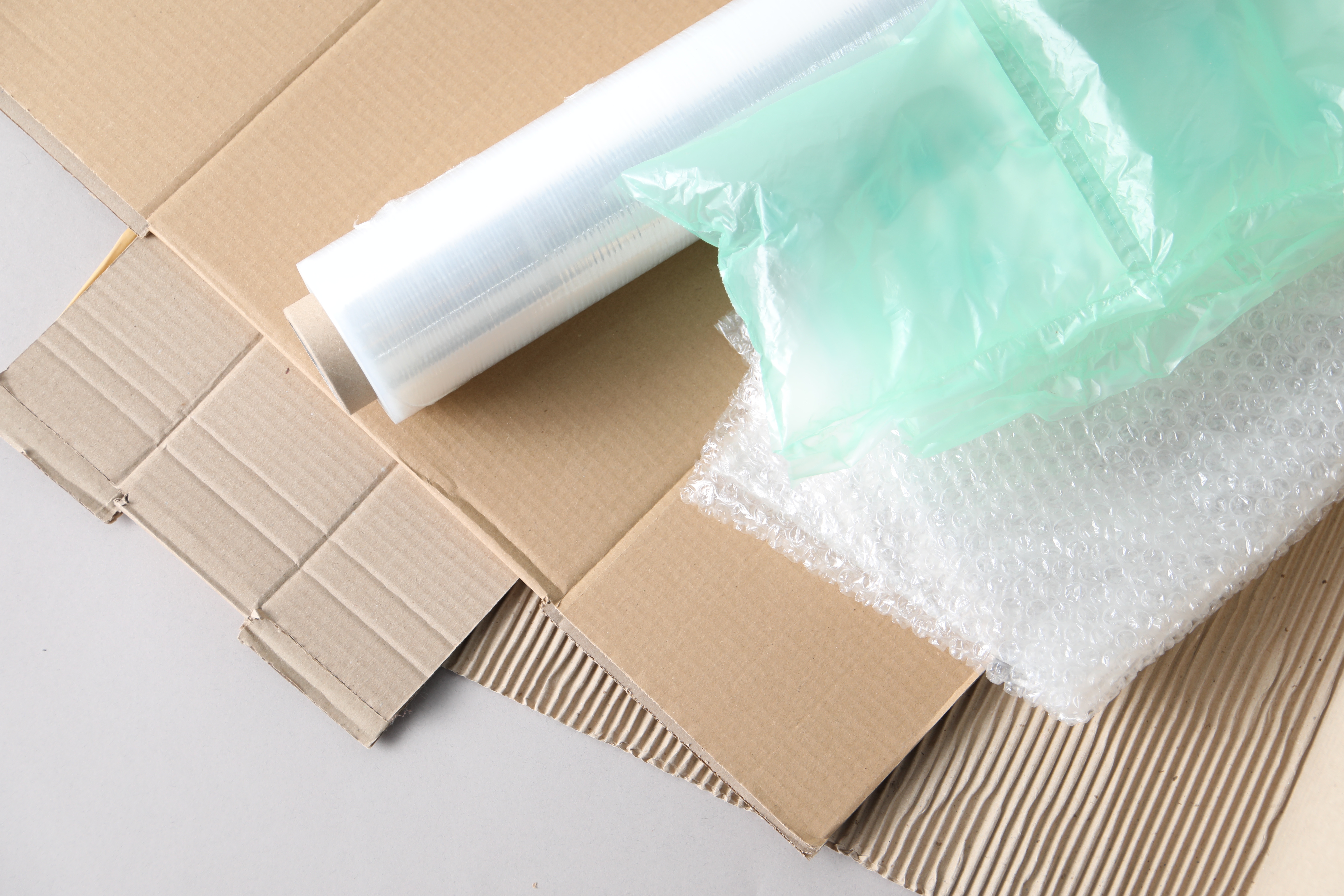
Constantly filling empty space means your stock boxes don't fit your products. Void fill adds material cost, packing time, and weight to every order.
When fill becomes a daily necessity rather than an occasional fix, a right-sized custom box often costs less over time. The money spent on filler and the labor spent stuffing boxes add up faster than most operations track.
2. DIM Weight Charges Keep Climbing on Your Shipments
Oversized stock boxes trigger dimensional weight fees based on size rather than actual weight. These charges compound across every shipment and grow with your order volume.
Custom boxes sized to your product eliminate the empty space that drives DIM weight up. For businesses shipping high volumes, cutting those fees alone can offset much of the custom investment.
3. Stock Boxes Are Driving Up Your Damage Rates
Products that shift inside loosely fitted stock boxes arrive dented, cracked, or broken. Rising damage rates lead to returns, replacements, and lost customer trust.
A custom box that holds the product firmly reduces movement and the damage that comes with it. Fewer damaged shipments mean fewer write-offs and reships eating into your margins.
4. You Want Packaging That Builds Your Brand
Plain stock boxes do nothing to reinforce your brand at the moment of delivery. Custom packaging creates a branded unboxing experience that supports customer loyalty and repeat purchases.
When branding becomes a business priority, custom packaging turns a shipping cost into a marketing asset that reaches every customer who opens a box.
How Custom Packaging Costs Compare to Stock Boxes
Stock boxes win at upfront cost. They're cheap, available, and require no setup. Custom packaging carries higher initial costs for design and tooling, but the per-unit price drops as volume rises.
The real comparison isn't sticker price. It's total cost, including the void fill, DIM weight fees, and damage that stock boxes add to every order. When the hidden expenses are accounted for, the gap between stock and custom narrows quickly.
For many businesses, the savings on shipping and damage offset the custom investment once volume is high enough. The box that looks more expensive on paper often costs less in practice.
Does Your Order Volume Support Custom Packaging?
Custom only pays off at the right volume. Two factors tell you whether you're there.
Custom Works Best with Consistent Volume
Custom packaging pays off when you ship the same products in steady, predictable quantities. High-volume SKUs with stable dimensions are the strongest candidates for custom design.
Low or unpredictable volume often means stock boxes still make more financial sense. If your product line changes frequently or your order volume swings, the flexibility of stock may outweigh the savings of custom.
How to Find Your Break-Even Point
Add up what you currently spend on stock boxes, void fill, DIM weight charges, and damage-related returns. Compare that total against the per-unit cost of custom packaging at your volume.
The point where custom costs less than your current setup is your signal to switch. Running these numbers gives you a clear answer instead of a guess.
Make the Switch to Custom Packaging with AM Shipping Supplies
At AM Shipping Supplies, we help businesses figure out whether the timing and volume are right before they commit to custom. We design packaging around your product dimensions and protection needs, then help you test it before full production.
Whether you're ready for custom now or want to weigh it against your current stock setup, we work with you to find the right move for your products and budget.
Wondering if it's time to make the switch? Contact us at info@amshippingsupplies.com for help comparing custom packaging against what your stock boxes are really costing you.
Happy with the difference AM Shipping Supplies has made for your business? Leave a five-star review on Google to share your experience.