
The Best Void Fill for Shipping Fragile and Everyday Products
The Best Void Fill for Shipping Fragile and Everyday Products
Void fill is one of the cheapest items your business buys, so it is easy to pick one option and never look at it again. Except, the cost of a bad choice shows up later, in damage claims, slow packing, and warehouse space you cannot spare.
The right fill depends on what you ship and how much of it. Choose too light and products arrive broken. Choose too heavy and you pay for protection your orders never needed.
This article explains when to use each void fill option: packing peanuts, air pillows, paper fill, and foam.
4 Void Fill Options for Shipping Your Products
Void fill is the material that takes up empty space in a box and keeps products from shifting in transit. Each of the four options outlined below protects products differently, costs differently, and leaves a different impression when your customer opens the box.
Here is how the void fill options compare:
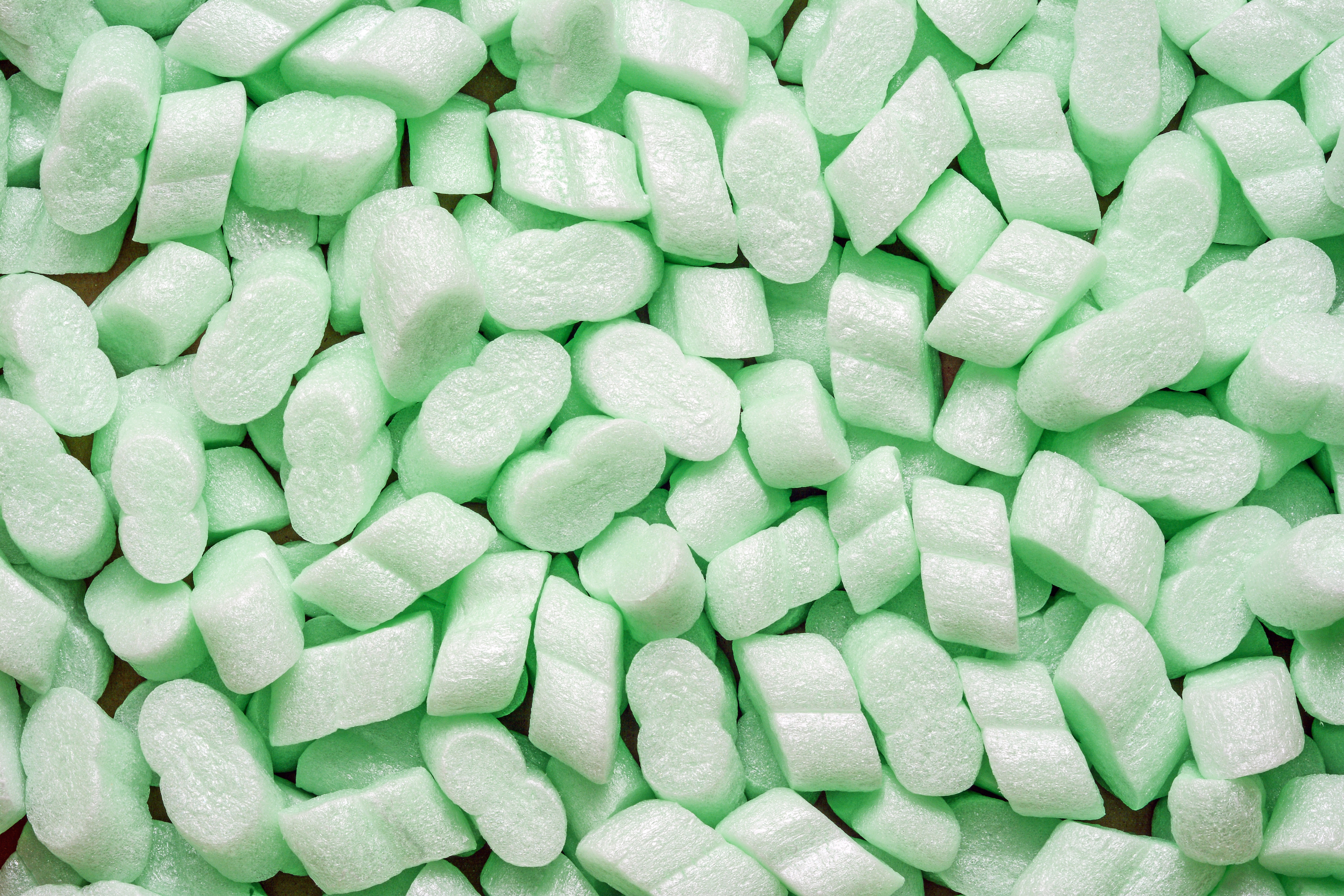
1. Packing Peanuts Fill Odd Spaces at the Lowest Cost
Peanuts flow around irregular shapes and cushion light to medium-weight items. They also cost less per cubic foot than any other option, which keeps per-package spending low at high volume.
The tradeoffs show up in storage and presentation. Large bags consume warehouse space; peanuts compress and settle in transit around heavier products, and they scatter across the floor the moment the box opens.
2. Air Pillows Protect Everyday Products and Save Warehouse Space
Air pillows block product movement and cushion everyday items well. Because packers inflate them on demand, you store compact film rolls instead of finished fill, which gives air pillows the smallest storage footprint of the four fill options.
Sharp corners and heavy products can puncture pillows and let the air out. For everything else, they lift out clean and leave no mess, though they look generic on premium products.
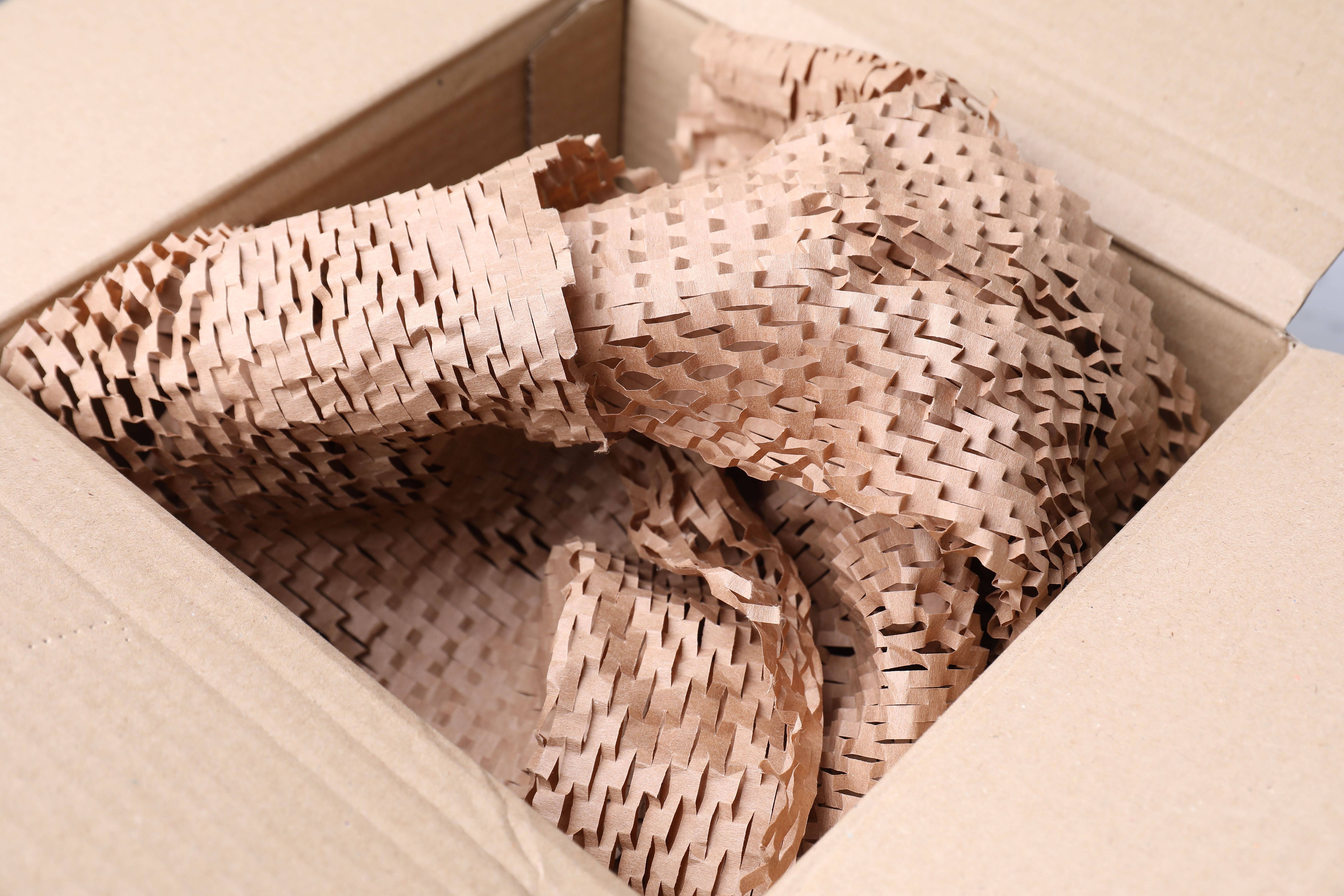
3. Paper Fill Makes the Best First Impression
Crumpled paper holds products in place and absorbs light impacts, which covers most everyday items that are not highly fragile. It looks natural and intentional on opening and goes straight into the customer's recycling.
Paper costs more per package than peanuts or pillows because it is denser, and more of it fills each box. Rolls and bundles store compactly, so the higher price buys you presentation without a large storage penalty.
4. Foam Protects Fragile and High-Value Products
Foam is the strongest option. It cradles fragile, sensitive, or expensive items and absorbs shocks that peanuts, pillows, and paper let through. That protection carries the highest cost per package, and pre-cut inserts only fit the product they were made for.
When one damaged unit costs more than a case of foam, the cost is easier to justify.
How Void Fill Costs Compare Per Package
Peanuts and air pillow film cost the least per cubic foot, and foam costs the most. That ranking holds only if every material fills a box the same way.
Density changes how much of a material each box consumes. Paper is heavy for the space it fills, so it narrows the gap on your invoice. Air pillows have the opposite advantage, since you pay for film and let air do the filling.
Then there is the cost of fill that fails. One reship covers the material for a lot of boxes, so the cheapest option stops being cheap the first time a product breaks in it.
How Much Space Each Fill Type Takes Up
How much space a fill material takes depends on whether it arrives ready to use or gets made at your station. Peanuts and pre-cut foam inserts show up at full size and hold that space until a packer needs them. Film for air pillows stays flat until someone inflates it.
Bulky fill also costs you time at the packing station. When peanuts will not fit near the line, packers walk to reach them, and that walk repeats on every order.
Paper and foam sheets land in the middle, compact enough for a shelf but delivered at full size. Give your closest storage to the material most of your orders use and keep the bulky option further out.
How to Match Void Fill to Your Products
Most catalogs need different fill for different orders. Two factors decide which material fits where: how fragile your products are and how much the unboxing matters to your customers.
Product Fragility Decides Where to Spend
Fragile, heavy, or high-value products need foam or a fitted protective insert. Everyday, non-fragile items ship safely in air pillows or paper at a fraction of the cost.
Sorting your catalog by fragility shows you where to spend and where to save. Most businesses find that only a small share of orders actually require the strongest fill.
Customer Presentation Rules Out Some Materials
Paper delivers the cleanest presentation for the price and suits brands where the unboxing supports repeat purchases. Peanuts still work when presentation is not a priority for those shipments.
Many operations land on two materials, one workhorse for everyday orders and one protective option for fragile products.
Stock the Right Void Fill with AM Shipping Supplies
At AM Shipping Supplies, we carry packing peanuts, air pillows, paper fill, and foam so you can source every fill type from one supplier. We help you weigh protection, cost, storage, and presentation against your actual product mix instead of a general recommendation.
Whether you need one material that covers most orders or a combination for different product lines, we help you find the right fit.
Not sure which void fill matches your products? Contact us at info@amshippingsupplies.com and we'll help you compare your options.
Happy with the difference AM Shipping Supplies has made for your business? Leave a five-star review on Google to share your experience.