
Pallet Wrapping Materials That Keep Loads Stable in Transit
Pallet Wrapping Materials That Keep Loads Stable in Transit
.jpg)
A load that leaves your wearhouse looking secure can still arrive shifted, crushed, or toppled. The difference usually comes down to materials and techniques that don't match what's actually being shipped. When a pallet fails in transit, you're left with damage claims, reships, and frustrated customers.
Stable freight depends on three things working together: the right pallet, the right securing materials, and the right method to apply them.
This article explains what keeps a load stable, how to match materials to your freight, and the technique mistakes that lead to damaged shipments.
What Actually Keeps a Load Stable
A stable pallet comes down to three things working together: the pallet base underneath, the materials that secure the load, and the technique used to apply them. Get one wrong and the others can't compensate.
A strong pallet won't help if the wrap is applied loosely, and the best stretch wrap won't save a load stacked on a broken pallet. Getting all three right starts with understanding how each one works.

Start with the Right Pallet
Load stability begins with the foundation underneath it. A pallet that can't handle the weight puts the entire shipment at risk before the wrap ever goes on.
H3: Match the Pallet to Your Load Weight
A pallet rated below your load weight can crack or collapse under pressure. Check the weight capacity of the pallet against the total weight of what you're stacking on it.
Heavier loads call for sturdier pallets, whether that means a higher-grade wood pallet or a plastic one rated for the weight. Matching the pallet to the load prevents failures that no amount of wrapping can correct.
Inspect for Damage Before You Load
Cracked boards, loose nails, or missing blocks weaken a pallet and put the whole load at risk. A quick inspection before loading prevents a failure that no amount of wrapping can fix.
Damaged pallets should be repaired or replaced before they go into the shipping rotation. A few seconds of checking saves the cost of a collapsed load down the line.
Choose the Right Securing Material
Different loads need different materials. Matching the securing method to the weight and shape of your freight is the difference between a load that holds and one that shifts.
When to Use Stretch Wrap
Stretch wrap works well for unitizing boxes and lighter loads that need to be held together as one unit. It conforms to the load and resists shifting when applied with consistent tension.
Stretch wrap is the go-to for most boxed freight that doesn't have sharp edges or extreme weight. For standard palletized shipping, it handles the majority of loads moving through a typical operation.
When to Use Poly Strapping
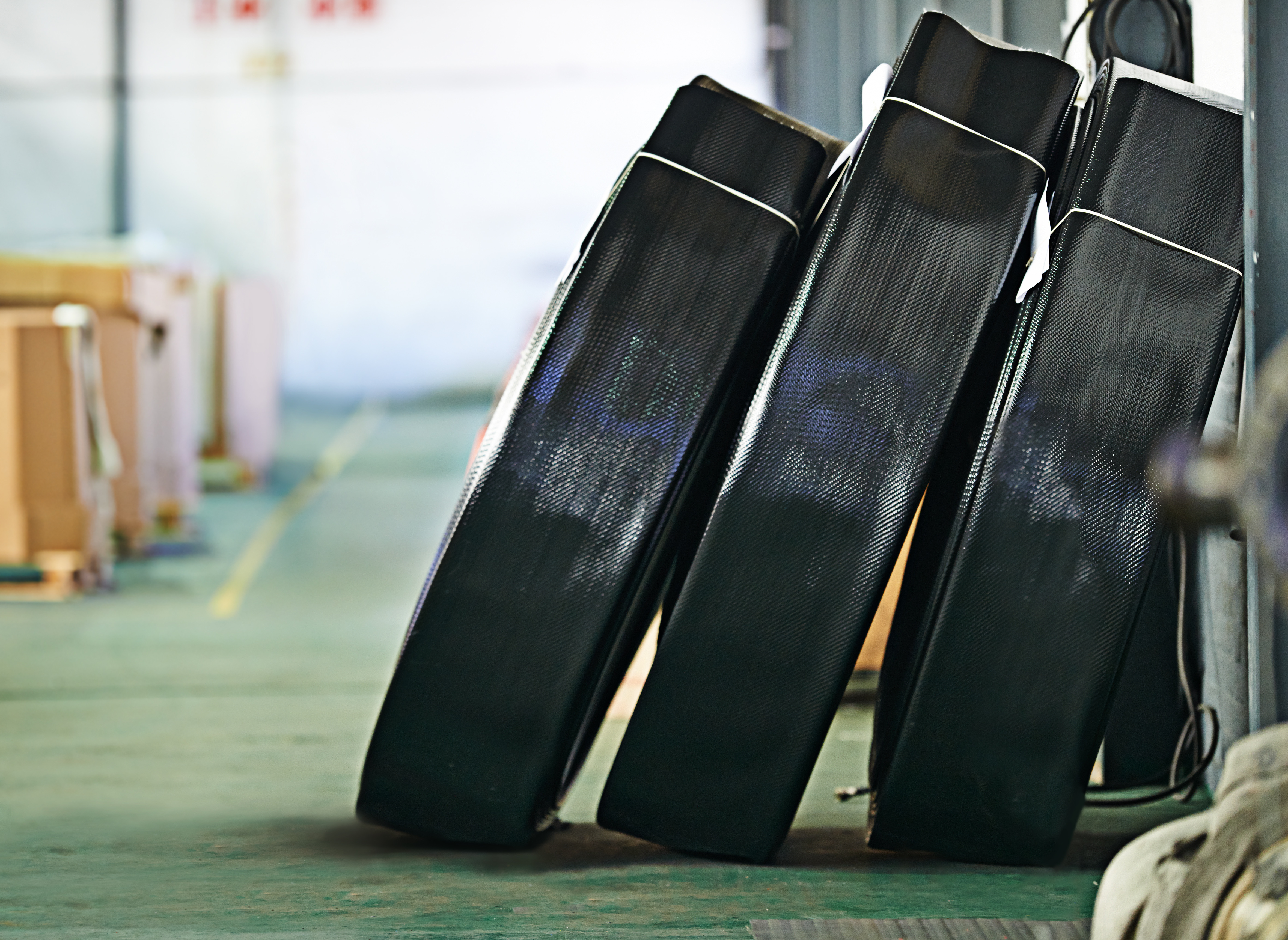
Poly strapping adds tension and holds heavier or denser loads that stretch wrap alone can't fully secure. It works well for bundling, reinforcing, and holding loads tight to the pallet.
Poly is a strong middle option for loads that need more than wrap but don't require steel. When a load feels too heavy for wrap alone but isn't at the extreme end, poly strapping fills the gap.
When to Use Steel Strapping
Steel strapping is built for the heaviest, sharpest, or most rigid loads where maximum tension is required. It resists stretching and holds firm under extreme weight or pressure.
Use steel when the load is heavy enough that poly would give out. For dense, rigid freight that puts serious strain on its securing material, steel provides the holding power that lighter options can't match.
When to Add Edge Protectors
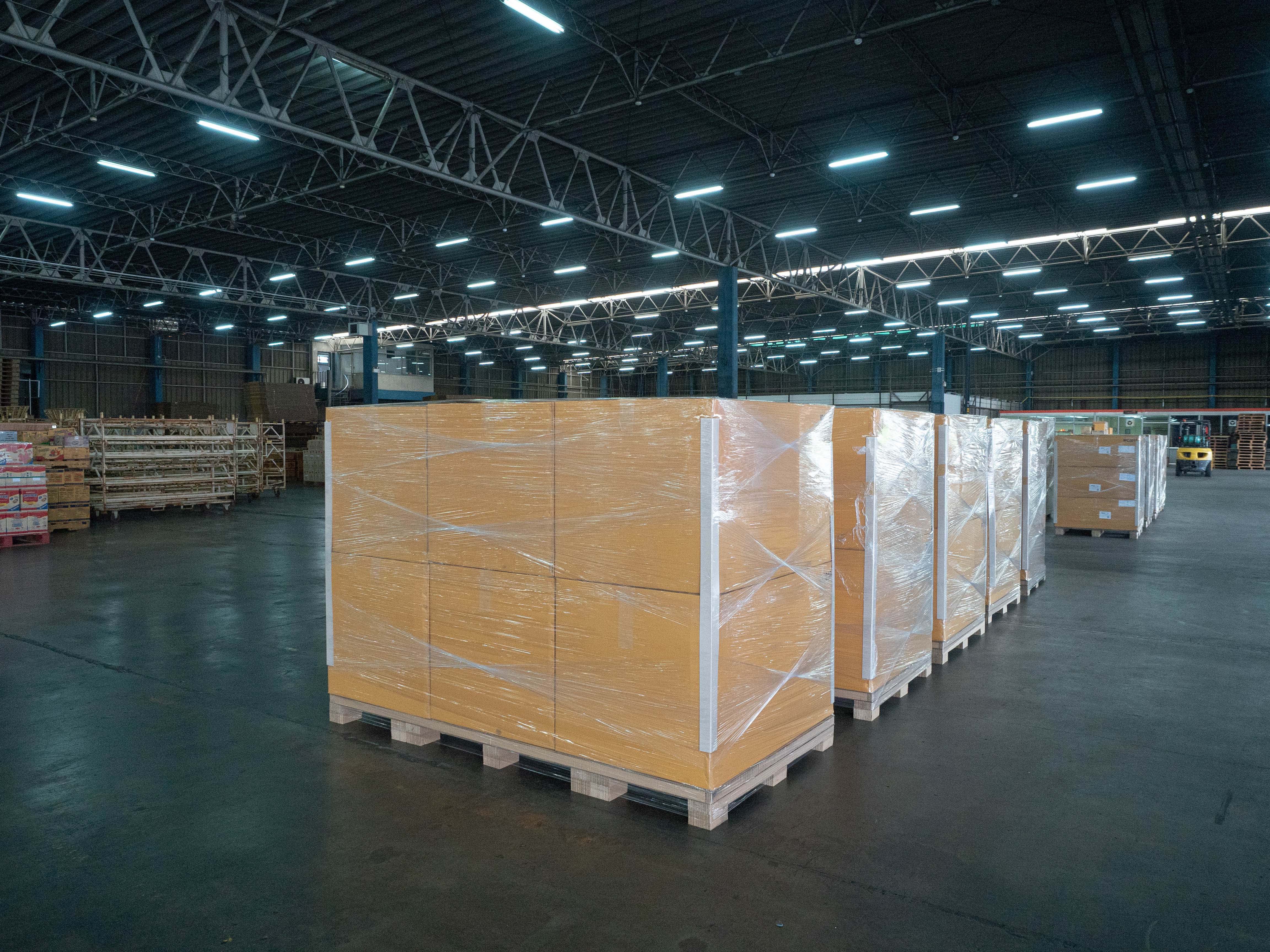
Edge protectors guard the corners and edges of a load from strapping pressure and impact damage. They spread the tension of strapping across a wider surface, so the strap doesn't cut into boxes or product.
Add them whenever you're strapping a load with crushable edges or when stacking creates pressure points that need reinforcing. The small cost of edge protectors prevents the kind of corner damage that turns a resealable product into a write-off.
4 Technique Mistakes That Lead to Shifted or Collapsed Loads
Even the right materials fail when applied poorly. These common errors undo the protection your materials are meant to provide.
1. Wrapping Without Anchoring to the Pallet
Wrap that doesn't connect the load to the pallet lets the whole stack slide off during transit. Start your wrap low enough to lock the bottom layer to the pallet itself.
Anchoring the load to its base creates a single stable unit that moves as one piece rather than sliding free under pressure.
2. Applying Too Little Tension
Loose wrap or slack strapping lets the load shift inside the unit. Consistent, firm tension holds the load together as one stable block.
Tension is what turns wrap and strapping from a loose covering into a securing force. Without it, even quality materials leave the load vulnerable.
3. Stacking Unevenly or Too High
Uneven stacking creates weak points that buckle under transit pressure. Loads stacked too high without support become top-heavy and prone to tipping.
Keep heavier items low and distribute weight evenly across the pallet. A balanced, stable stack gives your securing materials a solid structure to hold together.
4. Skipping Reinforcement on Heavy Loads
Relying on stretch wrap alone for a heavy load is a common cause of collapse. Match the securing material to the weight rather than defaulting to wrap for everything.
Heavier freight needs the added tension that strapping provides. Recognizing when a load has outgrown stretch wrap prevents the failures that come from under-securing.
Get the Right Pallet Materials from AM Shipping Supplies
At AM Shipping Supplies, we stock stretch wrap, poly strapping, steel strapping, edge protectors, and the equipment to apply them. We help you match the right materials to your load weight and freight type so you ship with confidence.
Whether you're securing light boxed freight or heavy rigid loads, we carry what you need to keep your pallets stable in transit.
Need the right materials to secure your loads? Contact us at info@amshippingsupplies.com to find the stretch wrap, strapping, and edge protectors that fit your freight.
Happy with the difference AM Shipping Supplies has made for your business? Leave a five-star review on Google to share your experience.